



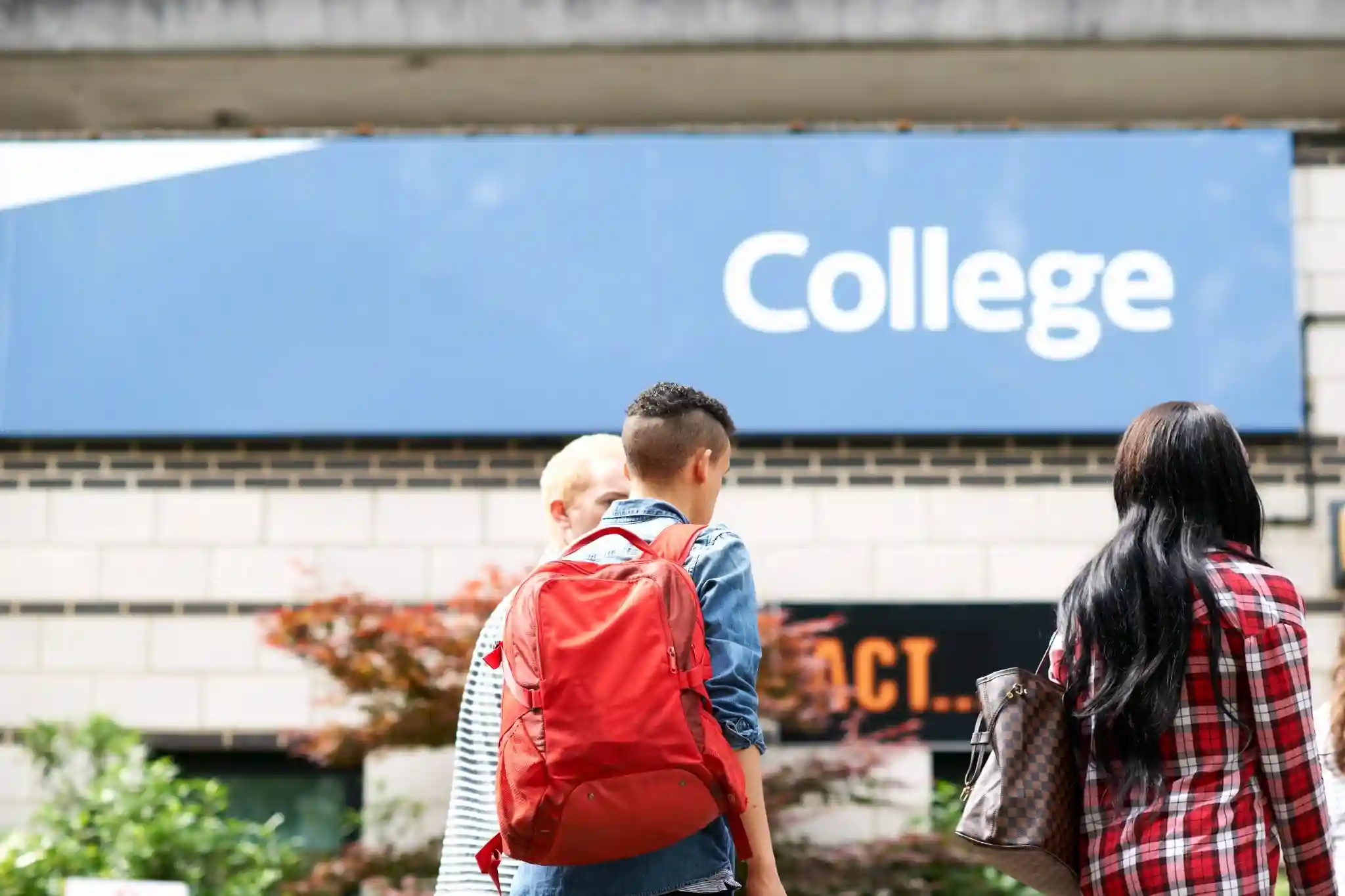
Transitioning from high school to college is one of the most defining shifts in a young person’s life. It marks the beginning of independence, adulthood, responsibility, and self-discovery. For many students, it’s the first time leaving home, managing their own schedules, handling academic rigor, and navigating new social environments. While exciting, this transition also brings a unique set of challenges that can feel overwhelming without guidance or support.
College isn’t simply a new academic environment, it’s a completely new lifestyle. The routines, expectations, pressures, and pace differ dramatically from what students are used to in high school. Understanding these challenges helps students anticipate obstacles, prepare emotionally, and adjust more smoothly. This detailed guide explores the most significant struggles students encounter during this major life transition and provides insights that support confidence, resilience, and successful adaptation.
Understanding the Emotional and Academic Shift of College Life
The shift from high school to college is a change in structure, support systems, daily expectations, and identity. High school offers familiarity, guidance, and predictable routines. College, on the other hand, operates on autonomy. Professors expect self-management. Schedules are flexible but demanding. Social communities must be built from scratch. The transition is both exciting and intimidating, a balancing act between new freedom and new responsibilities.
For first-year students, especially those moving away from home or studying in a different city or country, the first few months can feel like navigating unfamiliar terrain. Recognizing the core challenges can help students feel prepared rather than overwhelmed.
1. Academic Pressure and Increased Workload
One of the biggest shocks for new college students is the increased academic intensity. College coursework is more rigorous, faster paced, and requires deeper critical thinking.
Students struggle with:
-
Heavier reading assignments
-
More complex topics
-
Fewer reminders from professors
-
Long-term projects requiring planning
-
Independent study expectations
-
Higher grading standards
High school often provides structure and frequent check-ins. College expects maturity and self-accountability. This sudden shift can lead to stress, procrastination, or academic anxiety.
How students can manage:
-
Develop weekly study routines
-
Use academic support centers
-
Attend office hours
-
Create study groups
-
Break assignments into smaller steps
Learning how to study effectively is a crucial part of the transition.
2. Time Management and Balancing Responsibilities
With new freedom comes new responsibility, and many students struggle with time management during their first year.
College students must juggle:
-
Classes
-
Homework
-
Social life
-
Sleep
-
Part-time jobs
-
Clubs or sports
-
Personal responsibilities
Without proper time management, students quickly feel overwhelmed. Some overschedule themselves; others underestimate their workload. Poor time management affects grades, mental health, and overall well-being.
What helps:
-
Using planners or apps
-
Staying consistent with routines
-
Prioritizing tasks
-
Avoiding multitasking
-
Setting boundaries
-
Limiting distractions
Time management is one of the most essential life skills learned during this transition.
3. Homesickness and Emotional Adjustment
Leaving home can be emotionally challenging. Students must learn to create comfort in a brand-new environment.
Emotional struggles include:
-
Missing family and old friends
-
Feeling disconnected
-
Adapting to a new city or lifestyle
-
Struggling with independence
-
Experiencing loneliness
Even confident and outgoing students often feel homesick at some point. Homesickness is normal, but without proper coping strategies, it can lead to sadness, anxiety, or academic disengagement.
Healthy coping methods:
-
Staying connected with loved ones
-
Building new friendships
-
Getting involved on campus
-
Personalizing dorm spaces
-
Seeking emotional support
Emotional adjustment takes time, but most students adapt after the first semester.
4. Financial Stress and Money Management
Many students enter college with little financial experience. For the first time, they must manage budgets, track expenses, and handle financial responsibilities.
Common sources of stress:
-
Tuition and textbook costs
-
Housing and utilities
-
Transportation
-
Food and personal expenses
-
Part-time job scheduling
-
Student loans
Financial pressure can weigh heavily on students, especially those from low-income families or those working while studying.
Important financial skills:
-
Budgeting monthly
-
Avoiding unnecessary debt
-
Using student discounts
-
Applying for scholarships
-
Tracking expenses
-
Learning about credit and loans
Financial literacy helps students avoid long-term debt struggles.
5. Social Adjustment and Making New Friends
College offers countless opportunities to meet new people, but building friendships can still be challenging.
Students may struggle with:
-
Social anxiety
-
Fear of rejection
-
Not knowing where to meet people
-
Difficulty fitting in
-
Cultural differences
-
Being introverted
While some students make friends instantly, others need more time to build social connections. Feeling isolated can make the college transition harder.
Ways to build connections:
-
Join clubs or student organizations
-
Attend campus events
-
Talk to classmates
-
Join study groups
-
Participate in dorm activities
Friendships formed in college often last a lifetime, they just take time to grow.
6. Mental Health Challenges and Stress Management
The combination of academic pressure, independence, social change, and financial stress can impact mental health.
Students may experience:
-
Anxiety
-
Depression
-
Burnout
-
Loneliness
-
Sleep problems
-
Overwhelm
These are more common than many realize. Colleges offer resources, but students must learn to reach out when needed.
Mental health support includes:
-
Counseling centers
-
Peer support groups
-
Stress-reduction workshops
-
Mindfulness or wellness programs
-
Campus hotlines
Normalizing mental health struggles helps students feel less alone.
7. Navigating Independence and Personal Responsibility
College requires students to take responsibility for themselves, academically, emotionally, and practically.
Independent living skills include:
-
Cleaning and organizing
-
Managing laundry
-
Preparing simple meals
-
Handling conflicts
-
Scheduling medical appointments
-
Understanding boundaries
For many students, this is their first experience being fully responsible. While empowering, it can also be overwhelming.
Learning life skills early makes college life smoother and more enjoyable.
8. Cultural Differences and Identity Exploration
Many campuses are highly diverse, exposing students to people from different cultures, religions, countries, and backgrounds.
Students may experience:
-
Cultural adjustment
-
Identity exploration
-
Miscommunication
-
Feeling misunderstood
-
Pressure to fit in
But this exposure also offers growth, empathy, and global awareness.
Students who embrace cultural diversity thrive socially and academically.
9. Navigating Campus Systems and Resources
Colleges offer a wide range of resources, but many first-year students don’t know how to access or use them.
Resources include:
-
Academic advisors
-
Writing centers
-
Libraries
-
Mental health counselors
-
Career offices
-
Financial aid specialists
-
Tutoring services
Using these systems early helps students overcome challenges more effectively.
10. Balancing Personal Growth and Academic Success
College is not just about grades, it’s about discovering who you are. Students must balance self-exploration with academic responsibilities.
Personal growth includes:
-
Exploring passions
-
Developing confidence
-
Building communication skills
-
Learning from mistakes
-
Becoming more self-aware
College is as much about personal development as it is about academic achievement.
Frequently Asked Questions
1: How long does it usually take for students to adjust to college life?
Most students begin adjusting within six to ten weeks, but full comfort may take a semester or more. Adjustment depends on personality, support systems, coping skills, and willingness to seek help. With consistent routines and involvement, the transition becomes much smoother.
2: What should a student do if they feel overwhelmed or lost during their first semester?
Students should start by talking to someone, an advisor, counselor, professor, or trusted friend. Breaking tasks into small steps, using campus resources, creating a structured routine, and joining social groups can reduce overwhelm. Asking for help is a strength, not a weakness.
Final Thoughts
Transitioning to college student life is one of the biggest developmental leaps young adults experience. It brings challenges, academic pressure, social adjustment, independence, and emotional stress, but it also offers incredible opportunities for growth, learning, and self-discovery. With patience, support, and practical strategies, students can overcome these obstacles and thrive.
College isn’t just a chapter of education; it’s a place where young adults learn resilience, responsibility, and confidence. The challenges students face ultimately help them grow into capable, independent individuals ready to navigate the world beyond campus.